
If you have a website, blog, or online business, you have probably heard the term search engine optimization many times. But what exactly is SEO, and why is everyone talking about it?
In simple words, search engine optimization helps your website appear on search engines like Google when people search for something online. When done correctly, it brings free, organic traffic to your website without running ads.
In this guide, I’ll explain search engine optimization in a simple and beginner-friendly way so anyone can understand it.
Table of Contents
ToggleWhat Is SEO?
SEO (Search Engine Optimization) is the process of optimizing a website to rank higher in search engine results pages (SERPs) when people search for relevant keywords.
For example:
If someone searches “best smartphones under 20000”, search engines like Google try to show the most relevant websites.
search engine optimization helps your website become one of those results.
The higher your website ranks, the more people will visit it.

Why Is SEO Important?
search engine optimization is one of the most powerful digital marketing strategies because it brings consistent and long-term traffic.
Here are some key benefits of search engine optimization:
Free organic traffic from search engines
Better website visibility online
Higher credibility and trust among users
Improved user experience on your website
Long-term results compared to paid ads
Businesses, bloggers, and companies use search engine optimization to grow their online presence.
How Do Search Engines Work?
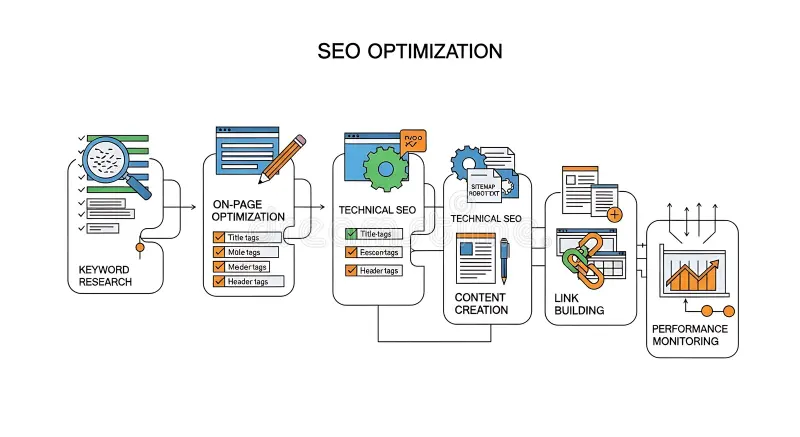
Search engines like Google, Bing, and Yahoo use special programs called crawlers or bots to scan websites across the internet.
They perform three main tasks:
1. Crawling
Search engines discover new and updated web pages using bots.
2. Indexing
After crawling, the content is stored in a massive database called an index.
3. Ranking
When someone searches for a keyword, the search engine shows the most relevant and useful pages based on ranking factors.
search engine optimization helps improve these rankingfactors.
Types of SEO
search engine optimization is divided into three main categories.
1. On-Page SEO
On-page search engine optimization focuses on optimizing the content and structure of your website pages.
Important on-page factors include:
Keyword optimization
Title tags and meta descriptions
High-quality content
Internal linking
Image optimization
Proper use of headings (H1, H2, H3)
Good on-page search engine optimization makes your content easier for both users and search engines to understand.
2. Off-Page SEO
Off-page search engine optimization refers to activities done outside your website to improve its authority and reputation.
Examples include:
Backlink building
Guest blogging
Social media sharing
Brand mentions
Influencer collaborations
When other websites link to your content, search engines consider your site more trustworthy.
3. Technical SEO
Technical search engine optimization focuses on improving the technical aspects of a website so search engines can crawl and index it efficiently.
Key technical search engine optimization elements include:
Website speed optimization
Mobile-friendly design
Secure website (HTTPS)
XML sitemap
Structured data
Fixing broken links
Technical search engine optimizationensures that search engines can access your site easily.
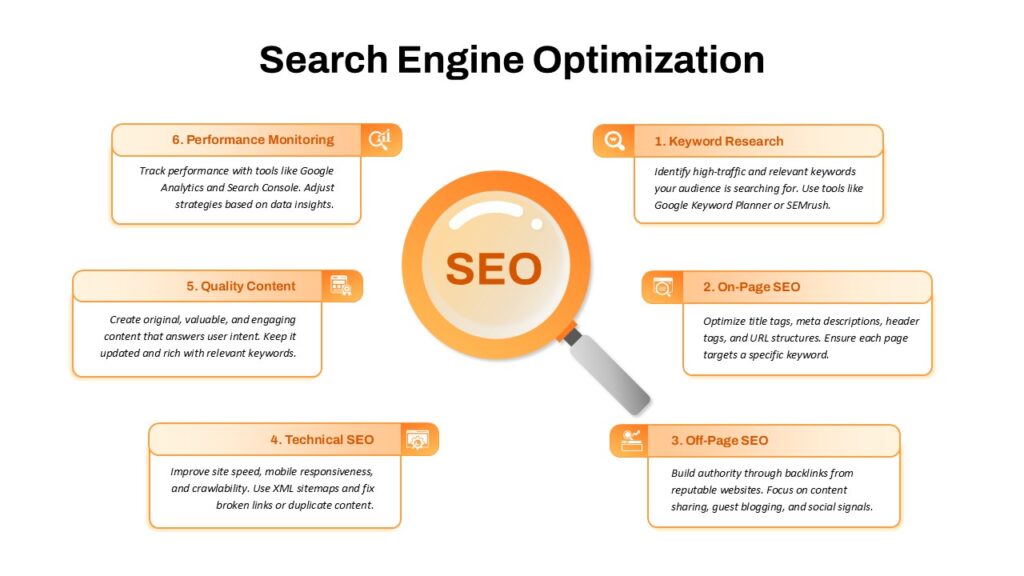
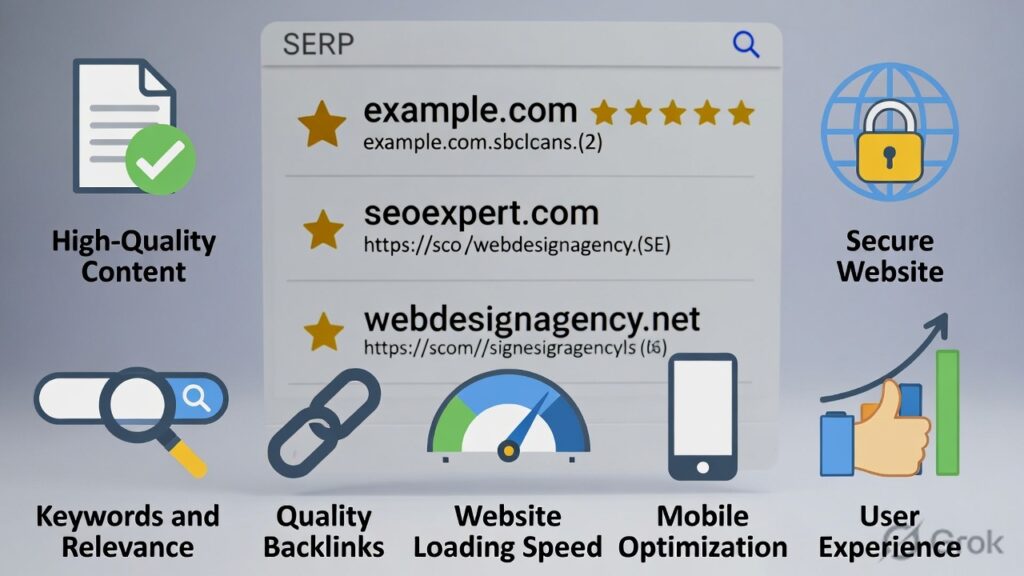
Important SEO Ranking Factors
Search engines consider hundreds of factors before ranking a website.
Some of the most important include:
High-quality and relevant content
Proper keyword usage
Website loading speed
Mobile responsiveness
Quality backlinks
User experience (UX)
Websites that focus on helpful content and good user experience usually rank higher.
Simple SEO Tips for Beginners
If you are just starting with SEO, here are some easy tips:
Research the right keywords before writing content
Write helpful and original content
Use headings and subheadings for structure
Optimize images with alt text
Build backlinks from trusted websites
Keep improving your content regularly
SEO is not a one-time task—it’s a continuous process.

Final Thoughts
SEO is an essential skill for anyone who wants to grow online. Whether you are a blogger, business owner, freelancer, or digital marketer, learning SEO can help you attract the right audience to your website.
By understanding how search engines work and applying SEO strategies correctly, you can increase visibility, gain traffic, and build authority online.
Remember:
The main goal of SEO is not just ranking on search engines, but providing real value to users.